







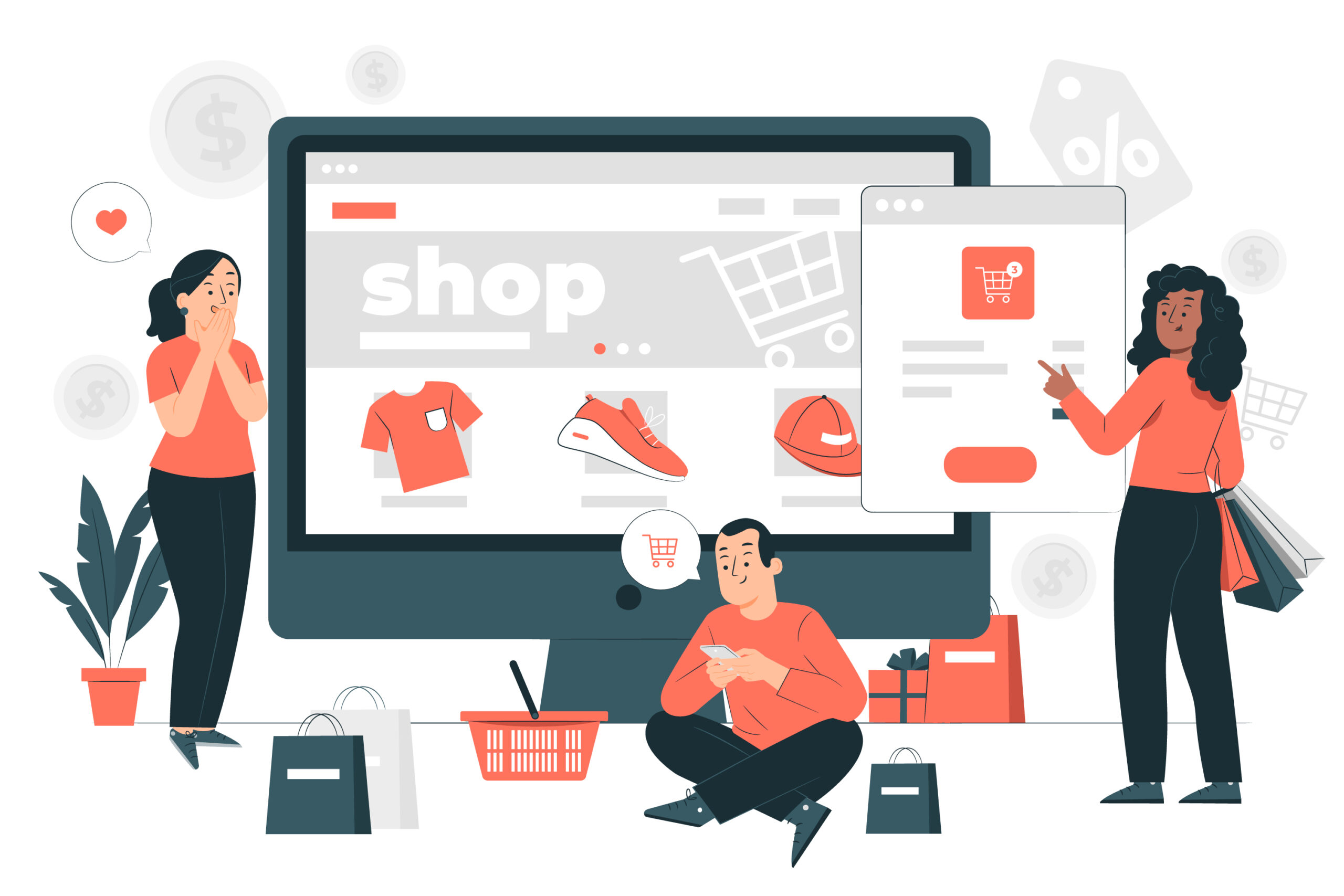
In today’s digital world, it has become easier for businesses to make buying more accessible and simpler for their customers. You can give them access to your offerings no matter where your customers are or what time it is. Online shopping has evolved rapidly in the last year, allowing a cohesive and user-friendly experience across various platforms. According to Yaguara, there are 2.64 billion online buyers worldwide as of 2024, making up more than 33% of the world’s total population.
Your audience is looking for an experience that expands beyond just your site. A multi-faceted shopping experience across various channels is a must! In this blog post, we will discuss why building a cohesive online buying experience is crucial for modern businesses and explore strategies for creating a seamless shopping journey across various platforms.
Building a Unified Company Image and Structure
Utilize a good site and leverage the best of social media, third-party sites, and other channels. Most channels now offer easy ways to link your e-store to make buying faster. According to a report, 88% of consumers are less likely to return to a website after a bad user experience. Your audience’s attention is constantly being pulled; if they can’t smoothly buy your products or services, they may move on to someone who can give them that experience.
A cohesive shopping experience begins with a united company image and structure. Taking the time to define your company goals and objectives internally is the first step. With a strong understanding of what you want as a company, you will have a much easier time creating a digital and in-store experience that helps meet your goals.
You also want to take the time to analyze and understand the market and your customers. Research not only what your customers’ needs are but particularly how they buy and communicate. This will help you determine the best channels for your company to set up.
Establishing a Multichannel Setup
Once you have defined your image and values, you need to determine which channels are necessary for your business. There are tons of channels out there, but not all of them are helpful to all businesses. As mentioned above, it is important to know your audience’s buying and communication habits to decide if a channel is right for them.
- Physical Store: Traditionally, this would be where you begin your business by setting up a physical store. This isn’t the case now; for many years, companies have started to sell online before opening a physical store. If your customer buys online more than in person, then this option may not be for you.
- Online Shop: An online store is a great way to start selling directly to your customers. It is more than just a website; it allows your customers to buy directly from your website. There are tons of e-commerce platforms that help with this, including Magento.
- Social Media Platforms: Most of your audience is likely to be on social media, whether old or young, students or professionals. Your customers will determine which social media platforms are for you. Most social media platforms now integrate with your online store. Use these capabilities to allow your customers to buy directly from social media to prevent loss of interest.
- Third-Party Vendors: Whether you sell products or services, there are third-party sites that may be a fit for you. By creating shops on these third-party sites, you broaden your customer range. Popular sites like eBay are great for product-driven businesses.
Maintaining Cohesiveness in Your Brand
A key component to building a successful multichannel business is having cohesiveness in your brand. Whether you choose to use 2 or 10 channels, your brand story should be consistent to build trust. If we think of businesses that are doing well, like Nike or Microsoft, their branding and story are the same regardless of whether we see them on TV, social media, or at a third-party site.
This builds our relationship with them as a brand; we know who they are, strengthening our trust in them. When building your story, consider your customers and create a brand story that will speak to them while conveying your values. Your ultimate goal is to build trust and gain loyal customers.
How The Smart Marketing Group Can Help
The Smart Marketing Group, the marketing department of Smart IS, offers a range of digital marketing services that can help your business set up and manage your online presence. From building and integrating your E-commerce platforms to building your brand, SMG has a skilled team to do it all. As business owners, it can be hard to find the time to create a digital marketing experience you want your customers to have.
Let SMG help if you want to create an online shopping experience that will make buying easy and fast. A click here and an add payment here, and you’re done! That is why integrating a multichannel shopping experience is so beneficial. Particularly for B2C businesses, linking all your channels makes a huge difference in your relationship with your audience.
Conclusion
Creating a seamless online buying experience is important for modern businesses to thrive. By unifying your brand across multiple channels and using digital tools, you can provide a consistent and user-friendly shopping experience.
This approach not only meets customer expectations but also builds trust and loyalty. Partnering with partners like Smart IS can further enhance your digital presence, ensuring your business stays competitive. Contact us now to learn how we can help you shape your brand.








One thought on “Creating a Seamless Online Buying Experience: Why It Matters”