






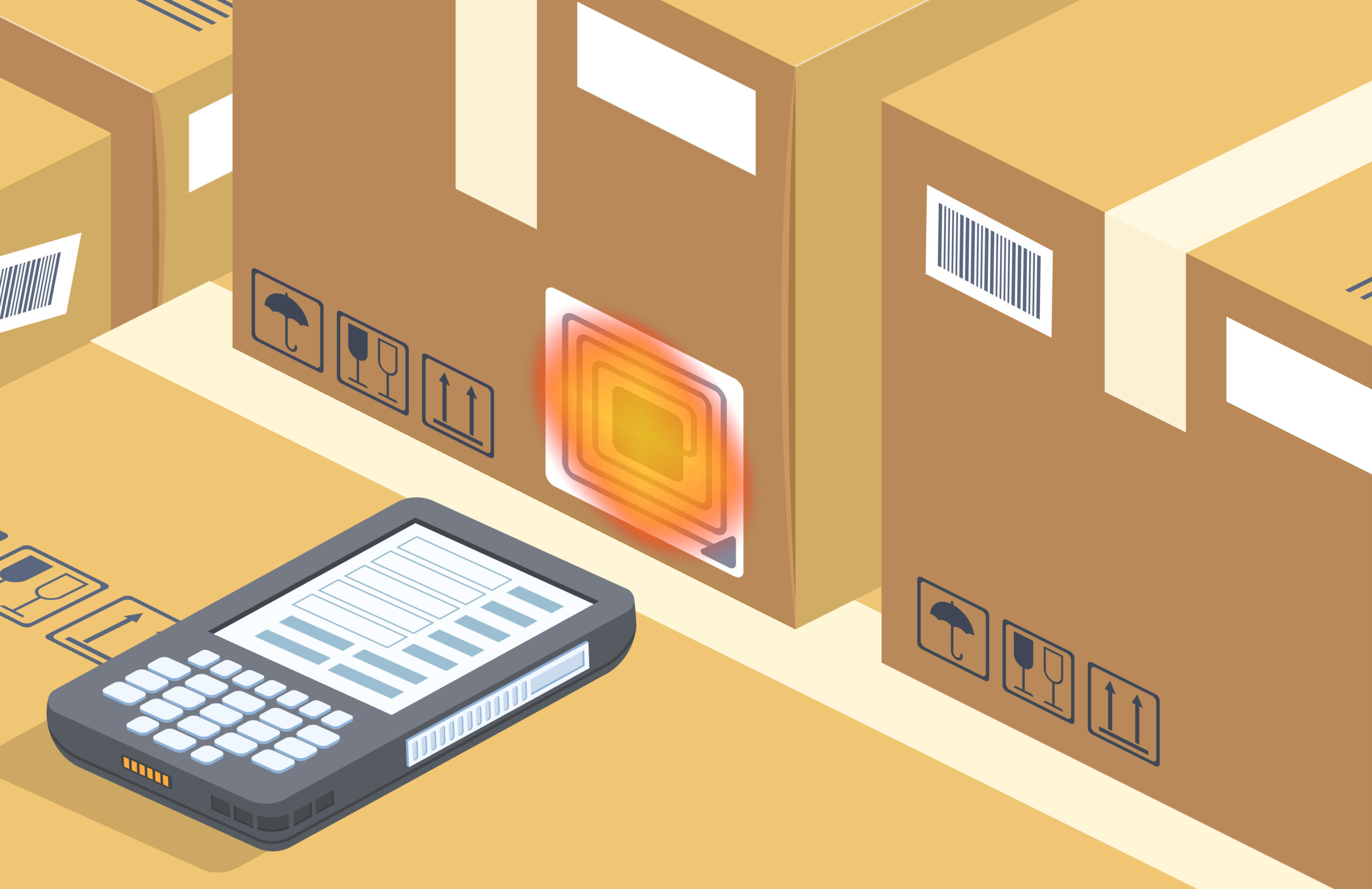
Warehouses today are under constant pressure to move faster, operate smarter, and deliver with even more accuracy. Yet many operations still rely on RF terminal emulators that were designed for a different era. These systems are still operational, but they can sometimes make things less user-friendly, slow down work processes, and make it more challenging for teams to stay current with today’s demands.
So, the question arises: Can the Current RF Terminal Emulator Keep Up with Today’s Warehouse Needs?
The market has seen various attempts to modernize RF systems, from costly hardware replacements to custom development projects. While these approaches promise improvement, they often lead to rising costs, extended deployment timelines, and new layers of complexity. The good news is that the landscape is changing. With the rise of mobile-first design, touch interfaces, and seamless device compatibility, there is an opportunity to reimagine RF solutions without overhauling existing infrastructure.
Instead of replacing devices or investing in costly customizations, organizations can now adopt enhancements that modernize their RF environments and unlock new levels of efficiency. Speed of delivery, cost, and productivity are now the critical measures of success, and while many organizations have invested in advanced warehouse systems, their RF terminal emulators often remain outdated.
This is where Smart RF Plus comes in. Built by Smart IS for Blue Yonder WMS users, it brings a fresh approach to RF Terminal emulation by combining intuitive navigation, multimedia integration, and broad device compatibility. In this blog post, we will explore how RF Terminal emulators are evolving, why modernization is an opportunity for warehouses, and how Smart RF Plus is helping organizations set a new standard in usability and performance.
The Limitations of Traditional RF Emulators in Modern Warehouses
For decades, RF terminal emulators have been a reliable backbone for warehouse operations. They help teams to execute picking, receiving, and inventory tasks with accuracy, even in high-volume environments. However, these systems were designed in an era when speed expectations, device capabilities, and workforce dynamics were very different from today’s reality.
The limitations are becoming more and more apparent. Traditional RF screens are often text-heavy, dependent on function keys, and difficult to navigate. For operators accustomed to smartphones and intuitive touchscreens, the learning curve can feel unnecessarily steep. This slows down onboarding, increases training requirements, and introduces friction into workflows that should be seamless.
In addition, older RF setups struggle to integrate with modern devices and data sources. As warehouses adopt mixed hardware environments, rely on multimedia content, and demand quick access to contextual information, the gap between legacy RF emulation and today’s operational needs continues to widen. This is not a failure of the systems themselves, but rather a signal that it is time for a new approach.
Also Read: Why Smart RF Plus is the Smartest Investment for Your Warehouse in 2025
Bridging the Gap Between Legacy Infrastructure and Today’s Operational Demands
One of the biggest challenges warehouses face is updating their systems without interrupting their current operations. Large-scale infrastructure upgrades are expensive, time-intensive, and frequently unnecessary, therefore impeding change management efforts. What organizations genuinely require is a method to prolong the lifespan of their existing investments while enhancing their adaptability to meet current expectations.
This is where enhanced RF terminal Emulators present a clear opportunity. Instead of discarding functional hardware, warehouses can layer modern usability and connectivity features on top of their existing systems. This approach allows them to sidestep a complete overhaul while still maintaining the flexibility to accommodate different devices and workflows.
Smart RF Plus addresses this balance by working with existing Android-based RF guns, smartphones, tablets, and even Bluetooth-enabled hardware. It creates an environment where old and new devices can coexist, allowing organizations to scale efficiently and meet operational goals without unnecessary expenditure.
The Operational Gaps Smart RF Plus Helps Warehouses Overcome
A warehouse is only as efficient as the people running it. Yet traditional RF systems often make day-to-day tasks unnecessarily complex. Operators must memorize key functions, work through rigid screen layouts, and repeat manual entries. This not only extends training cycles but also increases the risk of human error in high-pressure situations.
Smart RF Plus directly addresses these challenges by solving the operational gaps that matter most.
Complex User Experience
Traditional RF screens rely on function keys and rigid layouts, forcing operators to memorize commands and work through cumbersome interfaces. This extends training time and slows performance. Smart RF Plus replaces this complexity with intuitive, mobile-like navigation. Operators can swipe, tap, and move through tasks naturally, reducing errors and allowing even new staff to become productive faster.
Repetitive and Error-Prone Logins
Device registration and repeated credential entry are common frustrations in busy warehouses. They not only waste time but also increase the risk of mistakes. Smart RF Plus simplifies this with one-time device registration and auto-stuffing of IDs, ensuring smoother logins and fewer disruptions during high-volume shifts.
Limited Integration with Modern Devices
Legacy RF systems were not built for today’s mixed device environments. Whether using scanners, tablets, smartphones, or Bluetooth-enabled tools, compatibility can become an obstacle. Smart RF Plus bridges this gap by working seamlessly across Android-based devices, giving organizations the flexibility to modernize without costly hardware replacement.
Lack of Contextual Information
Operators often need to leave their workflows to find product images, safety diagrams, or inspection guidelines, creating inefficiencies. Smart RF Plus eliminates this by allowing multimedia and extended data to be displayed directly within RF screens. This gives staff the context they need instantly, resulting in quicker, better-informed decisions.
Scalability Across Sites
Rolling out RF systems across multiple warehouses often requires heavy configuration and repeated customization. Smart RF Plus provides a consistent, scalable framework that makes it easier to deploy across sites, ensuring standardized performance without additional overhead.
By addressing these core gaps, Smart RF Plus transforms RF terminal emulation into a more intuitive, connected, and future-ready tool. It is not about removing the barriers that hold back productivity, but allowing warehouses to operate at their full potential.
Conclusion
The future of warehouse management hinges on the capacity to adapt seamlessly without causing disruptions. RF terminal emulators remain critical to daily operations, but their role is shifting. Organizations that recognize the need for modernization and seize the opportunity to enhance their existing systems will be better positioned to thrive in an increasingly competitive environment.
Smart RF Plus represents this vision in action for Blue Yonder WMS users. It redefines what RF terminal emulation can achieve by aligning with today’s warehouse demands and tomorrow’s expectations. As organizations look ahead, adopting more intelligent and interconnected RF solutions will be pivotal in unlocking sustainable efficiency, agility, and growth.
At Smart IS, we are committed to helping organizations unlock greater value from their Blue Yonder WMS investments through purpose-built accelerators. If your warehouse is ready to modernize its operations without disrupting what already works, explore how Smart IS and our suite of Blue Yonder WMS accelerators can set a new standard for performance and efficiency.