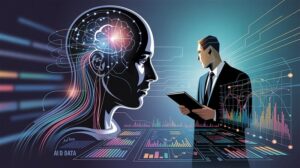







Imagine a world where computers not only process information but understand our complex, messy, and beautiful language. Where machines converse with us, analyze our emotions, and even write poetry that touches our souls. This isn’t science fiction; it’s the reality we’re shaping with Natural Language Processing (NLP).
NLP
Natural Language Processing (NLP) stands at the forefront of the technological revolution, acting as a channel between human language and machine understanding. From voice assistants like Siri and Alexa to sophisticated chatbots and language translators, NLP has permeated various facets of our daily lives. Essentially, NLP aims to teach computers to comprehend and manipulate human language. It’s like granting machines the ability to speak, listen, and understand us just like we do each other. This involves a range of techniques, from breaking down sentences into their grammatical components to analyzing sentiment and identifying patterns in vast amounts of text data.
Importance of NLP
The applications of NLP are as diverse as language itself. NLP is a multidisciplinary field that combines linguistics, computer science, and artificial intelligence (AI) to enable machines to understand, interpret, generate, and respond to human language in a meaningful way. The primary objective is to bridge the semantic gap between human communication and machine processing capabilities.
- Smarter search engines: Google and other search platforms are using NLP to decipher nuanced search queries, providing more relevant and accurate results. No more keyword stuffing, just understanding the true intent behind your search.
- Virtual assistants that truly listen: Siri, Alexa, and Google Assistant are evolving beyond robotic commands, engaging in natural conversations, recognizing emotions, and even completing complex tasks based on your requests.
- Personalized experiences: From targeted advertising to curated news feeds, NLP is shaping the way we interact with digital platforms. Businesses are analyzing our online behavior and preferences to deliver tailored experiences that feel less like marketing and more like a conversation with a friend.
- Revolutionizing healthcare: NLP is assisting doctors in analyzing medical records, identifying potential health risks, and even providing therapeutic chatbots for mental health support.
- Unlocking the power of text: From analyzing social media trends to deciphering ancient manuscripts, NLP is helping us understand the vast ocean of text data and glean valuable insights from it.
NLP Challenges
While the potential of NLP is vast, it’s not without its challenges. Language is inherently ambiguous, riddled with sarcasm, context-dependent, and constantly evolving. Computers struggle with understanding subtleties like humor, irony, and cultural references. Bias in training data can lead to discriminatory algorithms. Ethical considerations around privacy and data security loom large.
Applications of NLP
- Virtual Assistants: Voice-activated assistants like Siri, Alexa, and Google Assistant leverage NLP to understand user queries, perform tasks, and provide relevant responses.
- Sentiment Analysis: Businesses utilize NLP to analyze customer feedback, reviews, and social media posts to gauge public sentiment towards products, services, or brands.
- Chatbots and Virtual Agents: NLP-powered chatbots facilitate automated customer support, information retrieval, and interactive conversational experiences across various platforms.
- Information Extraction: NLP techniques extract relevant information from unstructured data sources such as emails, documents, and websites to facilitate data mining, knowledge discovery, and decision-making.
- Content Recommendation: NLP algorithms analyze user preferences, behavior, and content interactions to personalize recommendations for articles, videos, products, or services.
Future of NLP
Despite the challenges, the future of NLP is bright. Advances in deep learning and artificial intelligence are pushing the boundaries of what machines can understand and create. We can expect:
- More natural and engaging human-computer interactions: Imagine having conversations with your devices that feel as natural as talking to a friend.
- Enhanced creativity and personalized content: NLP-powered AI could write personalized stories, poems, songs, and even adapt artistic styles to your preferences.
- Breakthroughs in healthcare and scientific research: Advanced NLP could accelerate drug discovery, facilitate medical diagnosis, and personalize treatment plans.
- A deeper understanding of ourselves and the world around us: By analyzing massive amounts of text data, NLP could unlock new insights into human behavior, social trends, and historical events.
Conclusion
Natural Language Processing (NLP) continues to revolutionize the way humans interact with machines, unlocking unprecedented opportunities for innovation, automation, and collaboration across industries, domains, and cultures. By addressing challenges, advancing research, and fostering ethical practices, NLP will continue to bridge the gap between human language and machine understanding, shaping the future of communication, intelligence, and technology in a connected world. So, let’s embrace the potential of NLP to bridge the gap between humans and machines, not with cold logic, but with the richness and warmth of our shared language. Let’s create a future where technology enhances our lives, amplifies our understanding, and even sparks a little creativity along the way.