






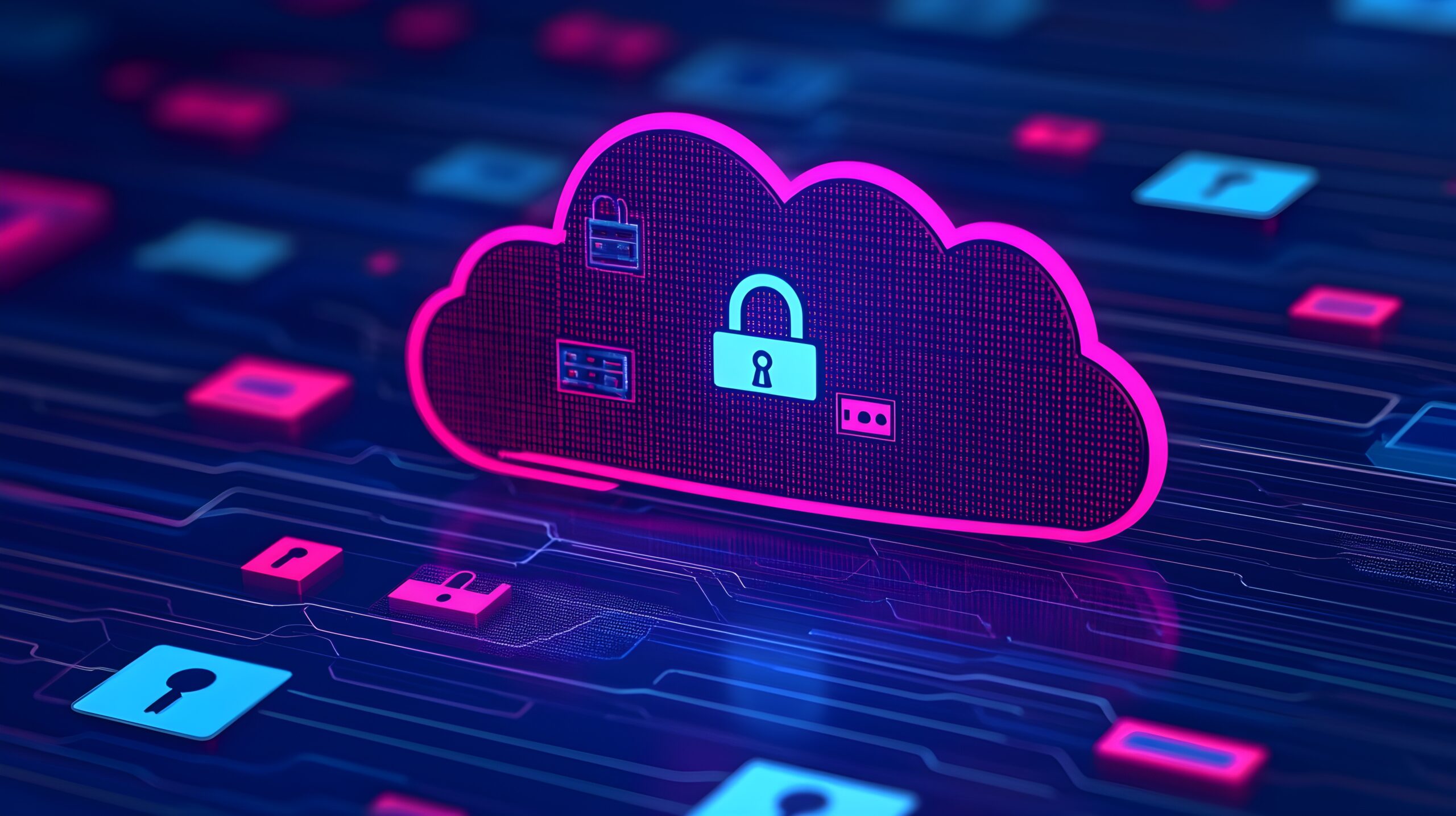
Securing your data in the cloud has never been more critical, especially now that businesses heavily rely on cloud platforms to manage sensitive information. In 2024, cloud data security remains a top priority, with new threats and regulations reshaping how organizations protect their data. About 60% of corporate data is stored in the cloud, reflecting a significant shift from traditional on-premises storage solutions.
At Smart IS, we provide expert cloud services, including cloud migration, technology consulting, and ongoing AWS, Azure, or Google Cloud support. So, let’s explore the top cloud security practices for 2024 to keep your data safe and secure.
Data Encryption
Data encryption is not just a practice but a fundamental layer of cloud data security. Encryption ensures that sensitive data remains unreadable to unauthorized users while it is stored (data at rest) and when it is transferred between systems (data in transit). A robust encryption protocol is the need of every business to secure customers’ information, proprietary data, and operational details.
Despite the growing adoption, 51% of companies do not use encryption to protect data stored in the cloud. End-to-end encryption is another necessity that ensures that data is encrypted not only when stored on servers but also as it moves across networks. Moreover, many cloud providers offer built-in encryption services, but it’s important to audit and verify their implementation.
IAM and Multi-Factor Authentication (MFA)
Identity and Access Management (IAM) combined with Multi-Factor Authentication (MFA) is another robust cloud data security strategy for controlling who can access your cloud environment and how they do so. IAM allows businesses to define roles and permissions, ensuring that only authorized users can access specific systems or data. This helps mitigate insider threats and minimizes the impact of compromised credentials.
MFA adds an extra layer of protection by requiring users to verify their identity using two or more authentication methods, such as passwords, biometric data, or one-time codes sent to mobile devices. Even if a password is stolen or cracked, MFA ensures unauthorized access is still blocked.
Also Read: Top 5 Cloud Services Trends to Watch in 2024
Zero Trust Architecture
The Zero-Trust Architecture (ZTA) approach is critical for maintaining robust cloud data security. Unlike traditional security models, which assume that anything inside the network is trustworthy, Zero Trust assumes that no one—whether inside or outside the network—should be trusted by default. Every access request is verified and validated before being granted, ensuring that only authorized individuals and devices can interact with sensitive data.
Key principles of Zero Trust include enforcing least privilege access, where users are given the minimum permissions necessary to perform their tasks, and network segmentation, which isolates resources to reduce the attack surface. On top of that, continuous monitoring and verification of user identities and behaviour help detect suspicious activities in real-time.
Data Loss Prevention (DLP)
According to network security statistics, the average cost of a data breach in 2023 soared to a staggering $4 million, setting a new record. When businesses handle increasing volumes of sensitive data, implementing Data Loss Prevention (DLP) measures becomes important for ensuring cloud data security. DLP tools help identify, monitor, and protect critical information from accidental or malicious loss, whether through unauthorized sharing, deletion, or exposure.
DLP solutions work by setting policies that restrict the movement of sensitive data, such as financial records, customer data, or intellectual property. These policies can block users from copying data to external devices, sending it via email, or uploading it to unauthorized cloud services. Advanced DLP systems also classify data based on its sensitivity, ensuring high-priority information gets the most robust protections.
Regular Security Audits
Performing regular security audits and assessments of cloud environments is important for identifying vulnerabilities and maintaining compliance with security policies. Security audits involve a thorough review of your cloud systems, configurations, and security policies to identify vulnerabilities, gaps, or misconfigurations that cyber attackers could exploit. Regular audits help businesses stay proactive in defending against evolving threats.
They ensure that security controls, such as firewalls, encryption, and access permissions, are functioning as intended and are aligned with the latest best practices. Beyond compliance, security audits offer valuable insights into the effectiveness of your cloud security posture. By regularly reviewing your environment, you can detect vulnerabilities early, update outdated systems, and continuously improve your defenses.
Conclusion
Cloud data security is no longer optional—it’s essential for businesses of all sizes. The growing complexity of cyber threats and regulatory demands means that adopting best practices such as encryption, Zero Trust Architecture, DLP, and regular security audits is crucial for protecting sensitive data and maintaining operational integrity.
At Smart IS, we specialize in providing personalized cloud security solutions that align with your business needs. Whether it’s cloud migration, ongoing support, or advanced security configurations, our team of experts is here to help you safeguard your cloud infrastructure.
For more insights, visit our blog, explore our range of services, or contact us today to learn how we can support your cloud security initiatives. With Smart IS, you can stay ahead of the curve and ensure your cloud data remains secure.