







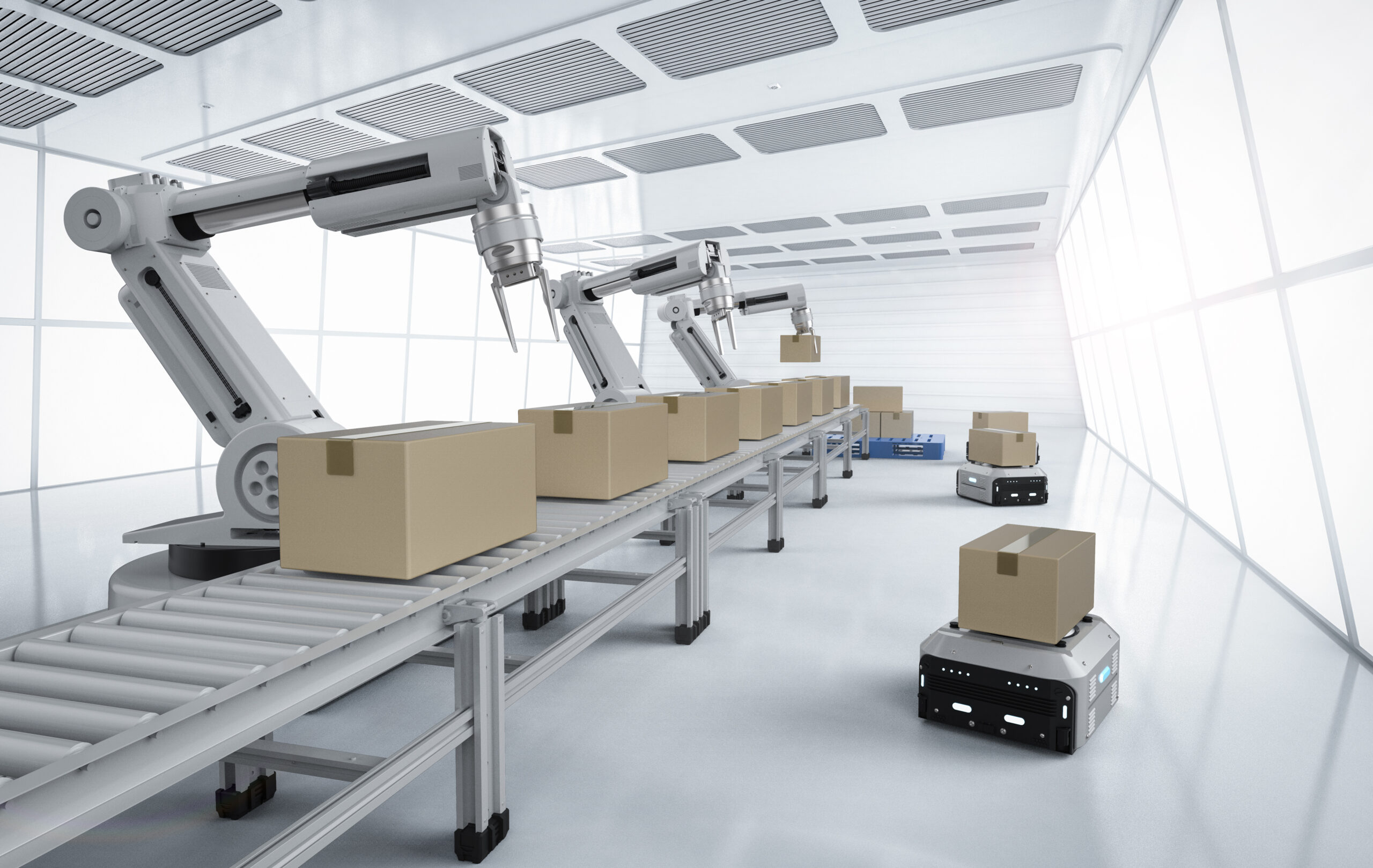
When supply chains become more complex, warehouse automation becomes essential in maintaining competitiveness and ensuring scalability for future growth. From automated picking systems to real-time inventory tracking, technology reduces reliance on manual labor, all while enhancing productivity. This shift allows warehouse managers to focus more on strategic tasks, such as optimizing workflows and improving customer satisfaction.
As an official Blue Yonder partner, Smart IS is committed to advancing automation within warehouse environments. Our innovative solutions, such as AuTest and Auto Waving, are some examples of warehouse automation accelerators (we’ll talk about them in the upcoming sections) designed to bring automation to Blue Yonder WMS. Let’s talk more about automation in warehouses and how automation solutions such as those we at Smart IS built can help businesses improve ROI and growth.
The Impact of Warehouse Automation
First, start from here: according to a report, warehouse automation can result in a 25% increase in productivity, a 20% improvement in space utilization, and a 30% enhancement in stock use efficiency. This stat signifies the importance of automation and the benefits it can bring to your business. By integrating advanced technologies such as Automated Guided Vehicles (AGVs), conveyor systems, and Artificial Intelligence (AI), companies can streamline their processes from storage to retrieval.
This not only reduces the dependency on manual labor but also minimizes human errors, enhancing safety in the workplace. Ultimately, automation enables a competitive edge, positioning companies for sustained growth in an increasingly complex supply chain landscape. Let’s discuss some of the positive impact automation can bring to your warehouses.
Increased Efficiency and Productivity
One of the most obvious impacts of warehouse automation is increasing efficiency and productivity. Automation significantly boosts operational efficiency and productivity by optimizing storage and retrieval processes. For instance, automated picking systems can locate and pick items a lot faster than manual processes, reducing order fulfillment time. Moreover, automated systems operate continuously, enabling warehouses to maximize throughput. This efficiency ultimately translates into cost savings and allows businesses to allocate resources to other critical areas, like customer service and innovation, ensuring they remain competitive in a demanding market.
Also Read: Choosing the Right Warehouse Management System for Your Business
Enhanced Accuracy
Warehouse automation can significantly decrease human errors, resulting in more precise and consistent operations. It also plays a crucial role in enhancing workplace safety. With automation, accuracy in inventory management reaches new heights. Technologies like AI and machine learning enable real-time tracking of inventory levels and automated replenishment, reducing stockouts and overstock situations. This precision minimizes errors associated with manual data entry and improves forecasting, allowing companies to make informed inventory and resource allocation decisions. Higher accuracy means fewer lost sales and improved customer satisfaction.
Improved Safety
Automation can help reduce the need for employees to engage in risky activities, such as climbing or stacking, which leads to fewer accidents on the job. By taking over repetitive and physically demanding tasks, automated systems reduce the risk of injuries caused by manual handling. Along with that, technologies like AMRs navigate the warehouse autonomously, ensuring that workers are free to focus on higher-level tasks that require human intervention. This not only improves employee morale but also leads to lower insurance costs and fewer workplace accidents, contributing to a more productive and secure working environment.
How Smart IS Drives Automation for Blue Yonder WMS
Warehouse automation isn’t just about cutting costs—it’s about transforming how companies operate, allowing them to focus on strategic tasks and ensuring long-term scalability. Smart IS recognizes this challenge and is committed to helping businesses streamline their Blue Yonder WMS operations through powerful automation solutions.
At Smart IS, we understand that embracing automation is about more than just installing new systems—it’s about transforming the way businesses function, making them more agile, efficient, and ready for growth. Here a few of our products that bring automation to the warehouse management systems.
AuTest: Simplifying Automated Testing
AuTest is a comprehensive testing solution that automates various tests, from stress testing to performance and integration tests. It reduces the need for manual intervention and speeds up testing processes, allowing businesses to quickly deploy new features and updates with confidence. By automating these tests, companies can focus on delivering higher-quality services to their customers while minimizing errors and downtime.
Auto-Waving: Streamlining Wave Planning
Auto-Waving enhances Blue Yonder WMS’s wave planning capabilities by automating the business rules and criteria that govern order selection. It frees up wave planners to focus on more complex tasks, such as resolving exceptions or managing floor operations, while ensuring that wave sizes, emergency orders, and other operational controls are managed efficiently and automatically.
Concussion
Automation isn’t just about machines doing the work; it’s about people being freed up to do what they do best: innovate, problem-solve, and drive the business forward. We know that manual tasks and routine processes can weigh down even the most efficient operations. But with the right WMS tools and accelerators, you can transform how your warehouse operates.
Smart IS understands that true innovation happens when technology and human ingenuity come together. Our warehouse automation tools for Blue Yonder WMS empower businesses to thrive in a competitive landscape, giving teams the freedom to work smarter, not harder.
Interested in bringing automation into your warehouse? Get in touch with Smart IS today and let’s take your operations to the next level!







Top Comments