







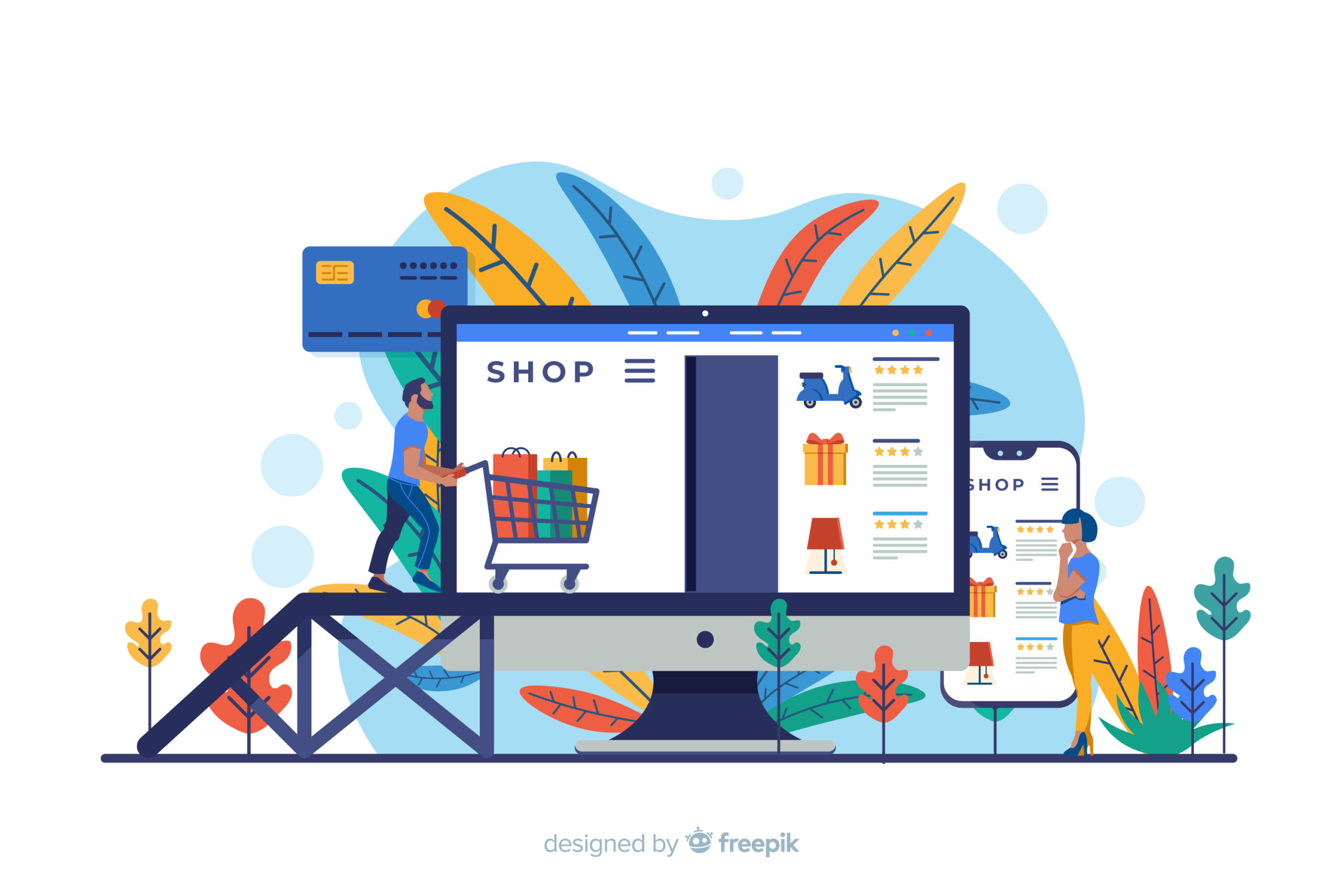
In e-commerce, one size doesn’t fit all; you have to opt for custom web development solutions for a strong and streamlined user experience. According to a report, 88% of users will not return to a site after a poor experience, highlighting the importance of effective design and enhanced user experience.
Smart IS, being a seasoned IT consulting partner, provides custom web development solutions for front-end and back-end development and seamless integration of third-party services. In this blog post, we will explore the benefits of custom web development, particularly for e-commerce businesses, and the support provided by professional partners such as Smart IS.
Better User Experience
In e-commerce, the user experience is a key differentiator that can make or break a sale. According to WebAlive, 70% of companies consider UX and customer experience (CX) as crucial factors that set them apart from competitors. Using a custom web design gives you the ultimate control over every small little detail that you can tweak based on your visitor’s behavior. With custom web development from professional partners, you can design your website with your potential customers in mind.
Tailored user experiences lead to higher satisfaction and brand loyalty, encouraging repeat visits and boosting overall sales. Not only that, but you can customize your products or services to better meet the needs of your intended customers. This includes creating intuitive navigation, personalized product recommendations, and responsive designs that provide a seamless experience across devices.
Scalability and Flexibility
It’s crucial for businesses to have a dynamic and flexible website that can expand and evolve in sync with the company’s growth trajectory. Scalability stands out as a pivotal factor when developing tailored solutions. According to HubSpot’s report, 77% of online shoppers prefer the ability to customize their shopping experience, highlighting the importance of flexibility in meeting customer preferences.
Custom web development capability empowers businesses to seamlessly expand their operations, manage heightened web traffic and transactions, and respond to shifting market dynamics and customer requirements without sacrificing performance or user satisfaction. As your brand undergoes transformation and expansion, it becomes imperative to have a business website that can effectively address your evolving needs.
Also Read: Creating a Seamless Online Buying Experience: Why It Matters
Security and Compliance
Robust security is equally important in e-commerce to protect against data breaches and ensure customer trust. Custom web development offers enhanced security by building a website’s architecture from scratch with secure coding practices and advanced encryption. This approach allows for the integration of secure payment gateways and the addition of multiple security layers, such as firewalls and intrusion detection systems, tailored to specific business needs.
Custom development also supports compliance with regulations like GDPR and PCI-DSS, ensuring that customer data is protected and standards are met. By investing in custom solutions, businesses can provide a safer online experience, reduce risk, and build greater trust with users.
Third-Party Integration
These days, modern e-commerce websites often rely on various third-party services to enhance functionality and streamline operations. Custom web development excels in providing seamless integration with external tools, such as CRM systems, payment processors, shipping solutions, and analytics platforms.
Unlike off-the-shelf solutions, which may have limited or rigid integration options, custom development allows for tailored API integrations that meet your specific business needs.
Not only that, custom integrations also help avoid compatibility issues and reduce the need for manual data entry, saving time and reducing errors. With custom web development, businesses can build a cohesive e-commerce ecosystem that enhances operational efficiency and provides a more integrated experience for users.
Long-Term Cost Efficiency
Custom web development helps achieve long-term cost efficiency in more than one way. One prominent way is to Increase the conversion rate. A custom website can boost conversion rates and decrease bounce rates, especially when designed to meet the needs of each customer by knowledgeable designers.
Along with that, custom-built websites are designed to meet your specific needs, minimizing the need for frequent updates or workarounds. As we discussed earlier, custom web development allows for personalized security measures to be implemented, reducing the risk of potential security breaches. This consequently fuels the long-term profitability.
Conclusion
Investing in custom web development for e-commerce is a strategic move that delivers substantial long-term benefits, from enhanced user experiences and improved performance to robust security and seamless third-party integrations.
At Smart IS, our expertise in web development and e-commerce solutions ensures that your customers experience a seamless, engaging journey. We understand the intricacies of building optimized e-commerce platforms and are dedicated to delivering solutions that enhance your business operations and customer satisfaction. With the right partner, achieving an effective and scalable e-commerce solution is within reach. Let Smart IS be your guide to building a superior online presence that drives success.







Top Comments
Custom web development empowers e-commerce businesses to deliver personalized user experiences, improve scalability, and ensure strong security for long-term growth. Partnering with experts like Smart IS helps create a high-performing, flexible, and customer-focused online store that drives conversions and builds trust.
Ahsan Raza
“Great insights on the benefits of custom web development for ecommerce businesses. I liked the focus on scalability, better user experience, and creating tailored solutions for online brands.
I also came across a useful guide on https://mobisoftinfotech.com/resources/blog/merchandise-platform-launch-guide/ that explains how to build a successful Shopify merchandise store, improve merchandise website development, and scale a sports merchandise platform effectively. It also shares insights on fan merchandise platform, fan shop store, fan store development, and fan shop app development for growing ecommerce brands.”
Marcus A. Baker
Hi, I love you article so much about business, I learn a lot from your website especially about business, by the way I have website too about Jasa Pembuatan Website , just let me know if we have another super usefull article.
jasa pembuatan website